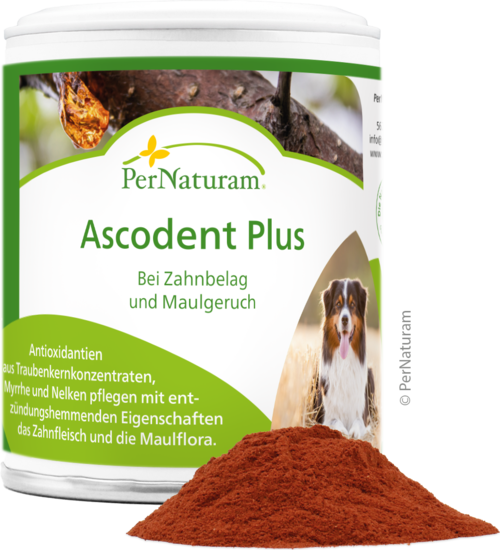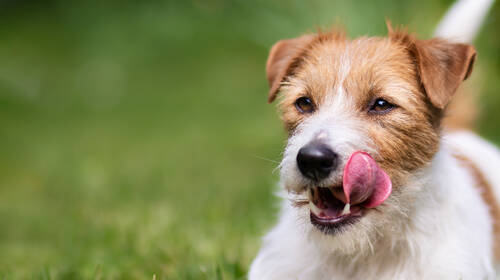





Many dogs suffer from dental plaque and tartar and have foul smelling breath. You have probably already had the causes explained to you by your own dentist: Starchy and sugary food, parts of which are deposited on the teeth.
There they form an ideal breeding ground for bacteria and fungi that produce acids, and these acids “eat” the tooth enamel. It becomes rough and offers an even better surface for destructive germs to attack. Calcium compounds, proteins and carbohydrates are soon deposited - the dreaded tartar. The gums are pushed back and become inflamed, the tooth necks are bare. If nothing is done about it, within a few years the teeth will be ruined and will have to be extracted, just like with us humans. Destroying the teeth, possibly down to the jawbone, is not enough. The permanent inflammation wanders through the body, weakens the immune system and makes you susceptible to infections, but above all to damage from free radicals, e.g. B. occur as arthritis and arthrosis. What started out small is now endangering the entire body.
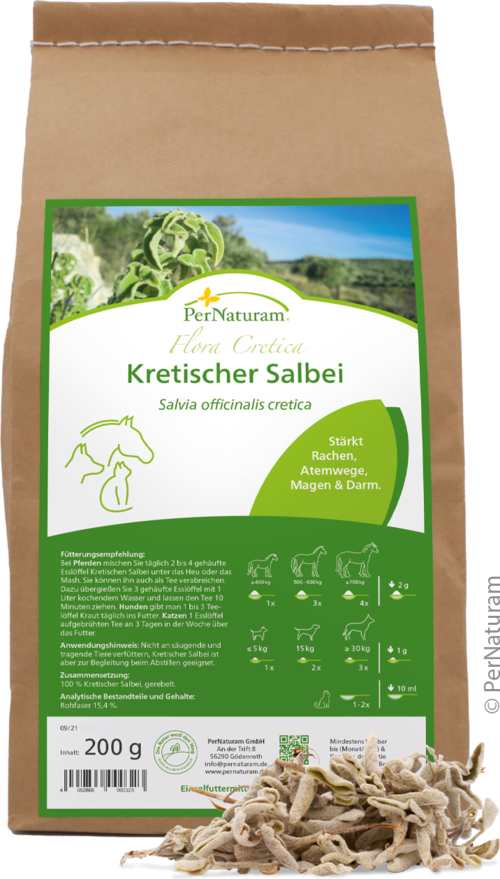
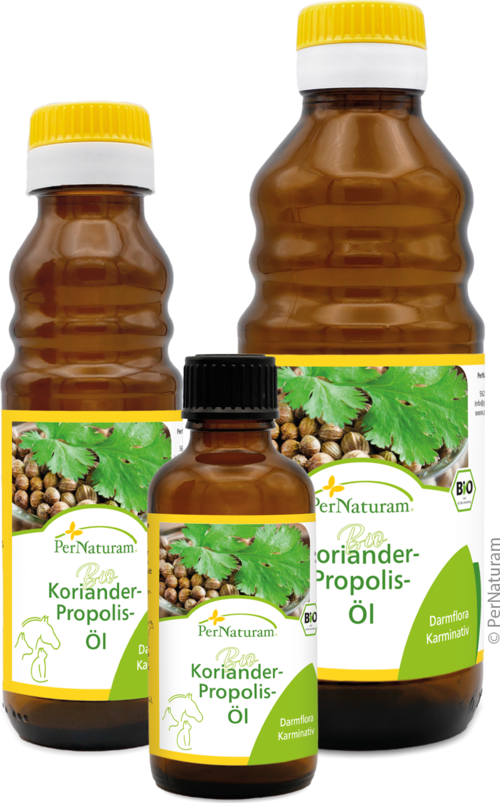
What can you do about it now? Very few dogs allow their teeth to be brushed without further ado and if a dog is prone to tartar formation, even raw bones to gnaw on do not always help. The solution lies in changing the oral flora to an environment in which pathogenic germs no longer feel comfortable. Myrrh, propolis, grape seed extracts and various essential oils are used to improve the environment in the mouth and reduce tartar and plaque.