Würmer & Co beim Pferd – gezielte Kotuntersuchung, ausgewählte Kräuter & Ergänzungen

Worms in Horses: Small Strongyles, Roundworms, Pinworms & Other Parasites

Worms are a natural part of a horse’s environment—but managing them requires balance and care. Frequent chemical deworming treatments can strain the liver, disrupt the gut microbiota, and burden the metabolism.  

A targeted fecal analysis is the best way to assess the level of parasite infestation accurately. After chemical deworming, support your horse with natural toxin binders and gently strengthen its immune system for lasting resilience. 

begleitend zu Wurmkuren

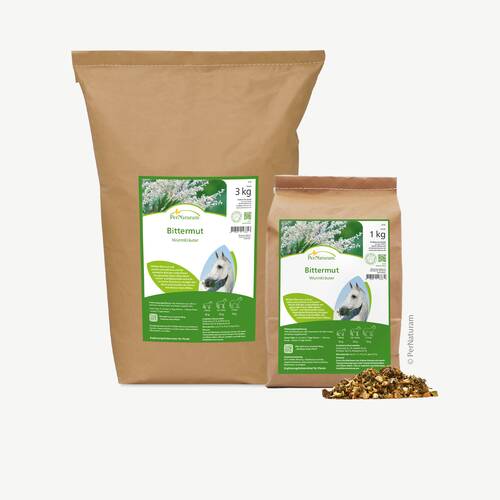
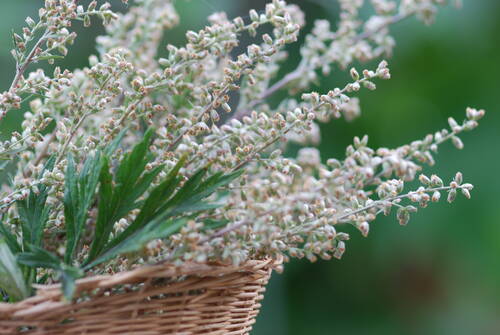
CONTENT Pflanze Wermut AdobeStock 24946496 ©petrabarz

Worms in Horses – Take a Natural Approach Instead of Blind Deworming 

Endoparasites live inside their host and can be classified by location as blood, tissue, or intestinal parasites. Their presence is not a sign of poor care—they are part of the horse’s natural life cycle. However, the decision to administer a dewormer should be carefully considered: although chemical treatments act quickly and eliminate large numbers of worms, they also place heavy stress on the liver, metabolism, and delicate gut flora. The consequences often include overburdened detoxification systems, digestive disturbances, and a weakened immune response. Interestingly, young foals benefit from early contact with internal parasites such as intestinal, blood, or tissue worms. Through their dam’s manure, they take in targeted microbial strains and worm eggs—initiating a vital immune training phase. In fact, regions with high natural parasite exposure report very low levels of autoimmune diseases and allergies, indicating the crucial role these organisms may play in maintaining the body’s internal balance.

Targeted Rather Than Routine: Fecal Testing in Horses 

Deworming “just in case”? We advise against it. A fecal egg count (FEC) gives reliable insight into the type and intensity of parasite infestation. Only when worms are detected in clinically relevant numbers does deworming make sense—helping you avoid “using a cannon to shoot a sparrow.” 

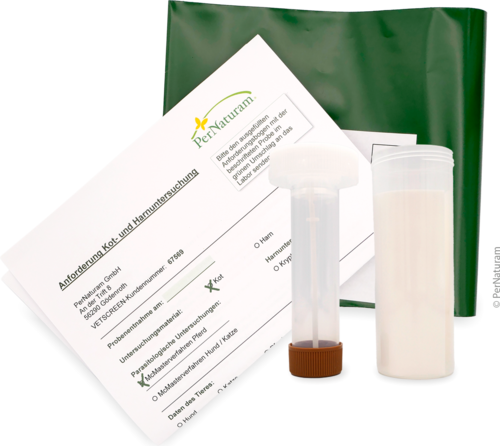
For accurate results, we recommend a 3-ay composite manure sample, as worm eggs are not shed evenly in every bowel movement. 

We will send you all necessary materials: instructions, collection tubes, and shipping packaging. Your sample will be analysed by a veterinary laboratory and interpreted by our experienced team. Based on this, we provide individualpractical recommendations tailored to your horse.

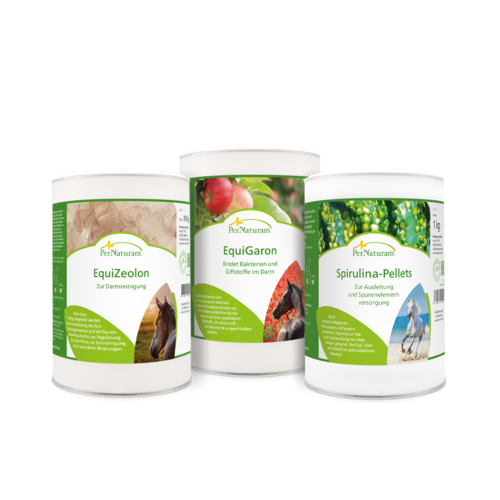
CONTENT EquiZeolon,EquiGaronSpirulinaPellets Endoparasiten

Post-Deworming Support: Strengthen the Gut Flora 

After any chemical deworming, the horse’s system needs recovery time and targeted support. The sudden breakdown of large quantities of parasites is a major challenge for the digestive tract. We recommend using natural toxin binders such as EquiZeolon, EquiGaron or Spirulina Pellets. These support detoxification via the intestines, liver, and kidneys, bind harmful substances, and help restore both the intestinal mucosa and gut microbiota.

Conclusion: Choose Natural Methods – Make Informed Decisions 

Not every parasite load requires immediate chemical treatment. A natural deworming strategy, combined with targeted fecal testing and nutritional support, helps to preserve your horse’s inner balance and protect vital organs. PerNaturam is here to guide you—with in-depth knowledge, one-on-one consultation, and proven products for holistic parasite management in horses.